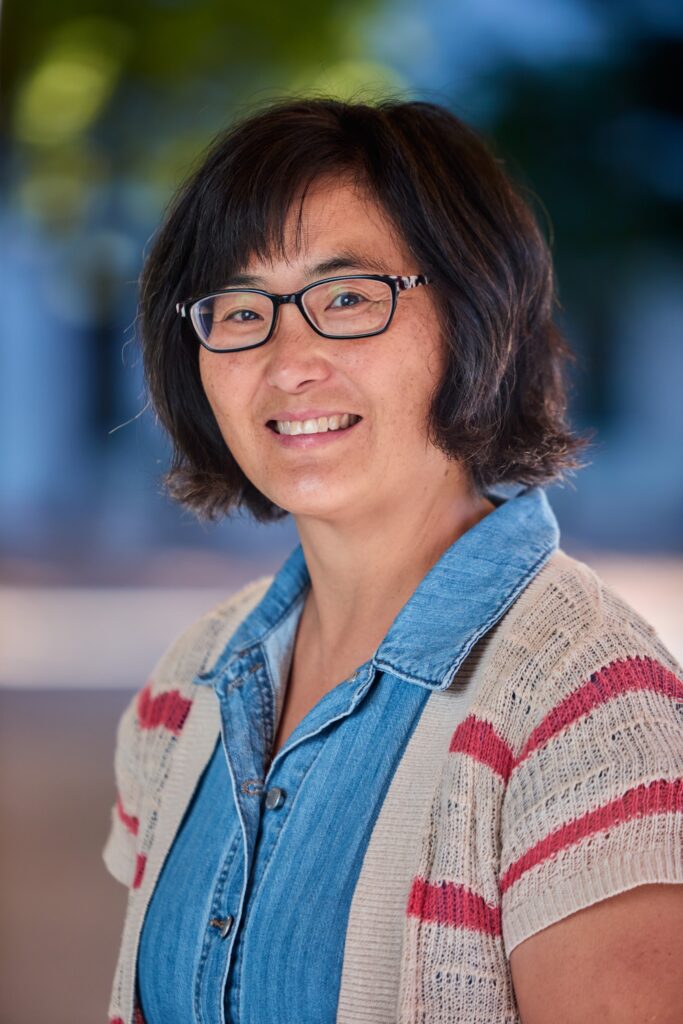
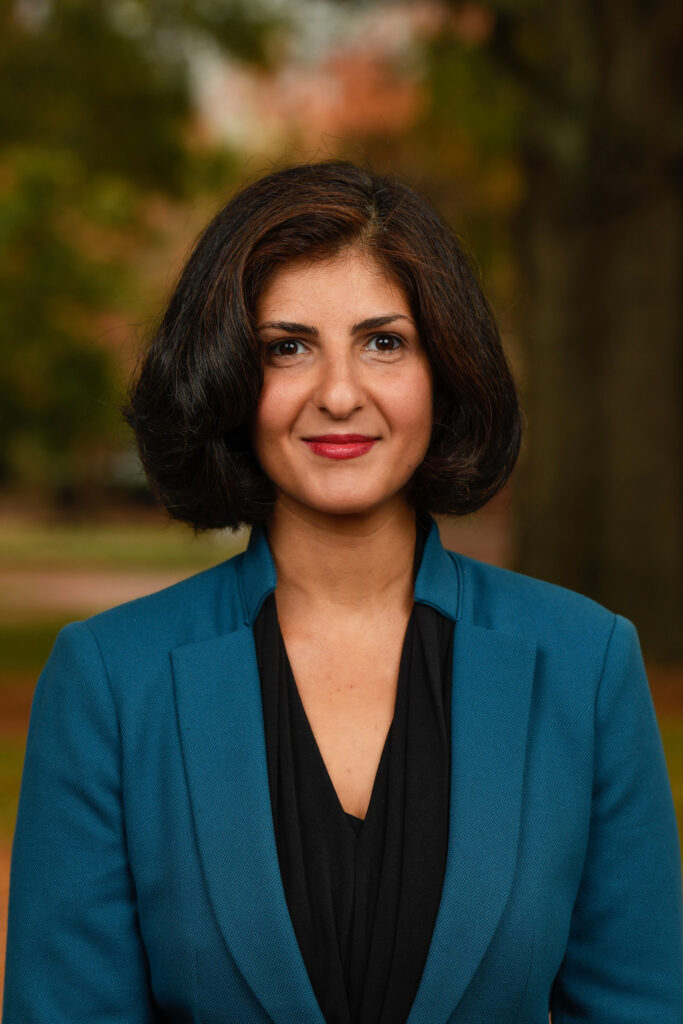
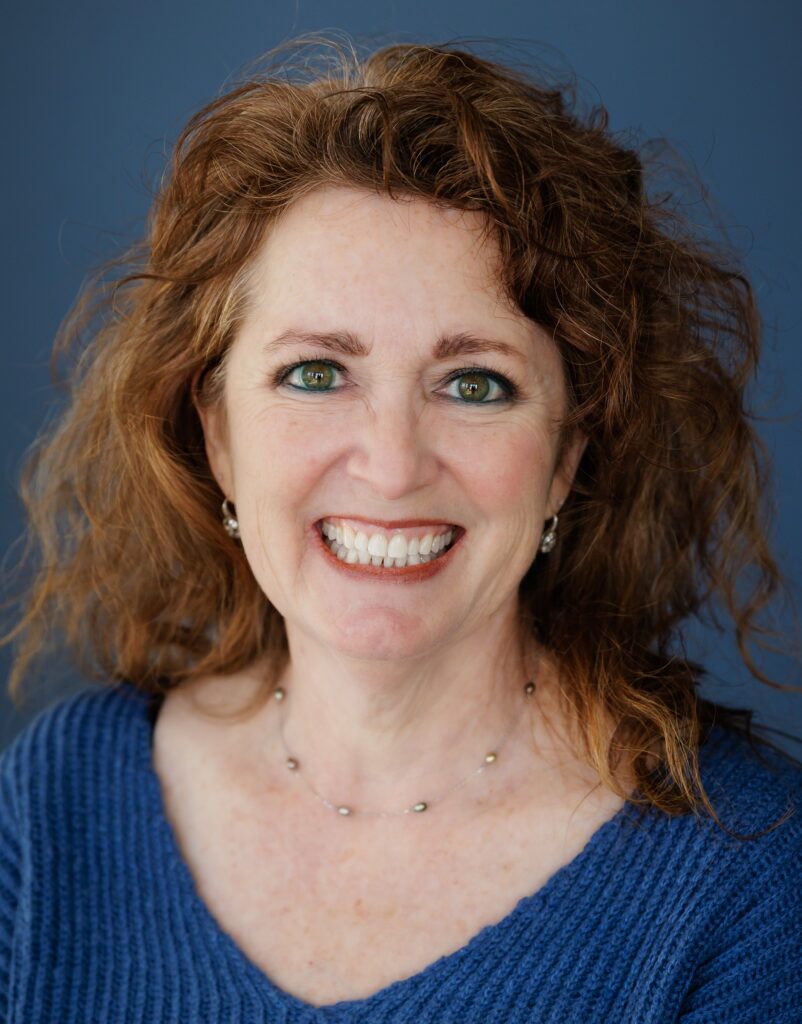
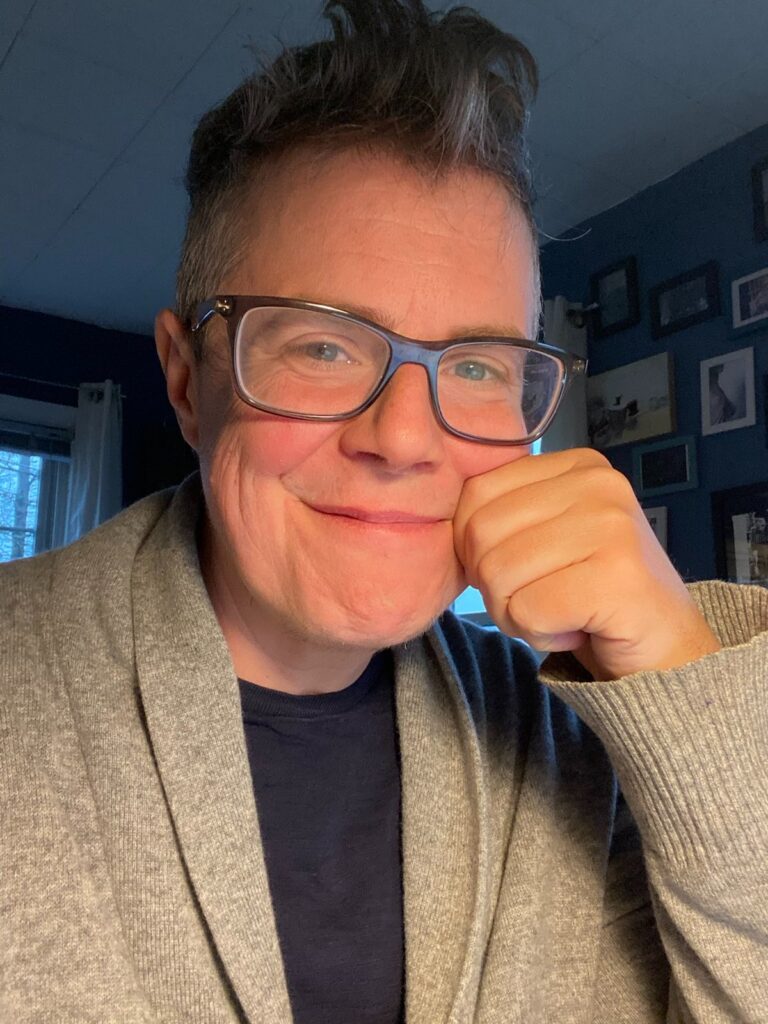
Biography and Project Description
Dr. Wellington’s research has been presented at leading national and international conferences, including the Literacy Research Association (LRA), the American Educational Research Association (AERA), the National Council of Teachers of English (NCTE), and the Caribbean Studies Association (CSA). Her scholarship explores the intersections of literacy, identity, culture, equity, and educational justice, with a particular focus on Black, Caribbean, and diasporic communities. Her research also examines teacher education, community-engaged literacy practices, and the role of storytelling, critical dreaming, and healing-centered pedagogies in educational transformation.
Her work has appeared in Intersection: Critical Issues in Education (2026), Teachers and Teaching: Theory and Practice (2025), Voices From the Middle (2024), and Multicultural Perspectives (2024). She is also the author of several recent book chapters, including “Toward a Dual-Level Intersectionality Theory for Critical Multilingual Teacher Education” in The Routledge Handbook of Language Teacher Identity (2026) and “Expanding Ways of Learning Together for All” in Innovative Strategies to Support All Qualitative Methods Students’ Empowerment and Success (2026). Her forthcoming scholarship further contributes to global conversations on decolonizing language and literacy education through research grounded in Global South perspectives and practices
Project Title: Building Literacy Futures: Community Storytelling and Research Justice in Post-Disaster Jamaica
This project examines how community knowledge, storytelling, and participatory inquiry can support literacy recovery and educational transformation in Race Course, Jamaica, following Hurricane Melissa. Grounded in research justice, the project begins from the premise that those most affected by educational disruption should play a central role in documenting challenges, identifying priorities, and imagining futures for their communities.
Working in partnership with the Clare McWhinnie Memorial Library, local educators, community leaders, and families, the project will engage youth and community members in a series of community literacy dialogues focused on literacy experiences, educational recovery, cultural knowledge, and future aspirations. These dialogues will create opportunities for participants to share stories about literacy, schooling, community life, and recovery while collectively identifying strengths, needs, and possibilities for the future.
Stories, reflections, and community insights generated through these dialogues will form the foundation of a community storytelling archive documenting local literacy practices, educational experiences, and community knowledge. Rather than treating these narratives as data to be extracted, the archive will serve as a community resource that preserves local histories, cultural knowledge, and community visions for the future.
Drawing from the archive and dialogue sessions, the final phase of the project will develop a research justice framework for community literacy recovery. This framework will identify principles, practices, and forms of relational accountability that support community-centered educational recovery in post-disaster contexts. By centering Jamaican voices, knowledge systems, and lived experiences, the project contributes to broader conversations about literacy, educational recovery, and research justice while remaining accountable to the communities that shape the work.