The Mills Institute is pleased to welcome President Frank Wu of Queens College for a special conversation on his remarkable career journey. Following his remarks, Christie Chung, Executive Director of The Mills Institute at Northeastern University, will moderate an engaging Q&A. Sponsored by the Inspired Leader in the AI Program, this event is open to all and includes a complimentary lunch. Please join us!
Date: Friday, October 24, 2025
Time: 11am-12pm PT/ 2-3pm ET
Oakland in-person: Rothwell Theater
Lunch 12-1pm PT
Boston watch party: 405 Ell Hall AAC Annex
This event will be livestreamed – join us online from anywhere!
The 2026-2027 RJI cohort is divided into two working groups—Policy and Practice and Narratives and Representations.
Policy and Practice
2026-2027 Scholars
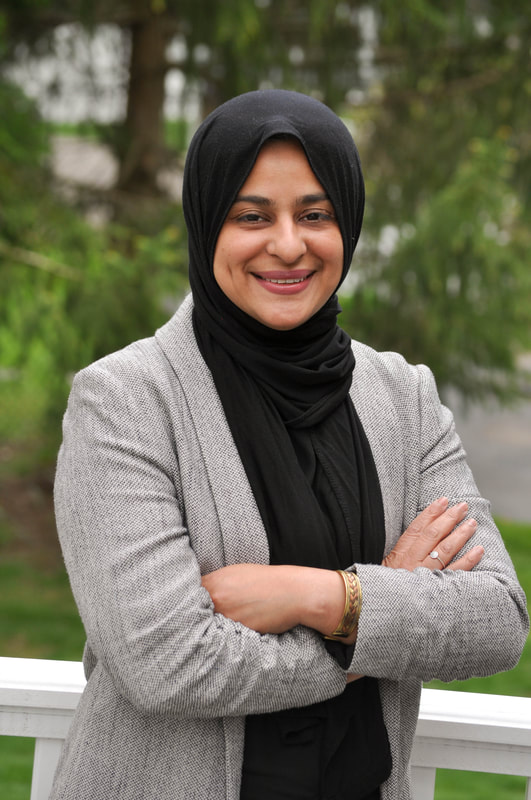
Noor Ali
Click Here for 2025-2026 Scholarship Presentation
Associate Professor Graduate School of Education
School of Professional Studies
Northeastern University
Political Activism in Educational Settings: The Muslim American Experience
Biography and Project Description
Dr. Noor Ali is an Associate Professor at Northeastern University’s Graduate School of Education, where she serves as Concentration Lead for Transformative School Leadership. Her pioneering work established MusCrit, a framework examining the racialization of Muslim identities in educational settings. Ali’s book “Counter-narratives of Muslim American Women: Creating Space for MusCrit” (Brill, 2022) introduced this groundbreaking approach, which lead to the development of the Critical Muslim Education Research SIG at American Education Research Associate (AERA). Dr. Ali bridges theory and practice through her dual roles as professor and as part of the leadership team at Al-Hamra Academy. Her scholarship on critical perspectives in education has appeared in prestigious journals including the International Journal of Research & Method in Education. Dr. Ali holds a doctorate in Education from Northeastern University specializing in Curriculum, Teaching, Leadership, and Learning.
Dr. Ali’s project examines how Muslim Americans navigate political activism within educational contexts during periods of heightened socio-political tension. This narrative inquiry explores the complex decision-making processes of Muslim students, educators, and staff as they negotiate when to speak out and when to remain silent while balancing institutional expectations and personal safety concerns. The research employs decolonial methodologies that center participant agency, challenging extractive research practices through reciprocity and community engagement. This work extends Dr. Ali’s established MusCrit framework while also complementing her book “Recognizing Muslim Experiences in Education: A Practical Guide for Inclusive Classrooms,” which translates theoretical concepts into actionable classroom strategies. By documenting both challenges and resistance strategies, this project will develop frameworks for supporting Muslim Americans in educational settings during political crises, while informing institutional policies that accommodate diverse expressions without marginalizing Muslim voices—a timely contribution as educational institutions grapple with questions of political neutrality and inclusive community support.
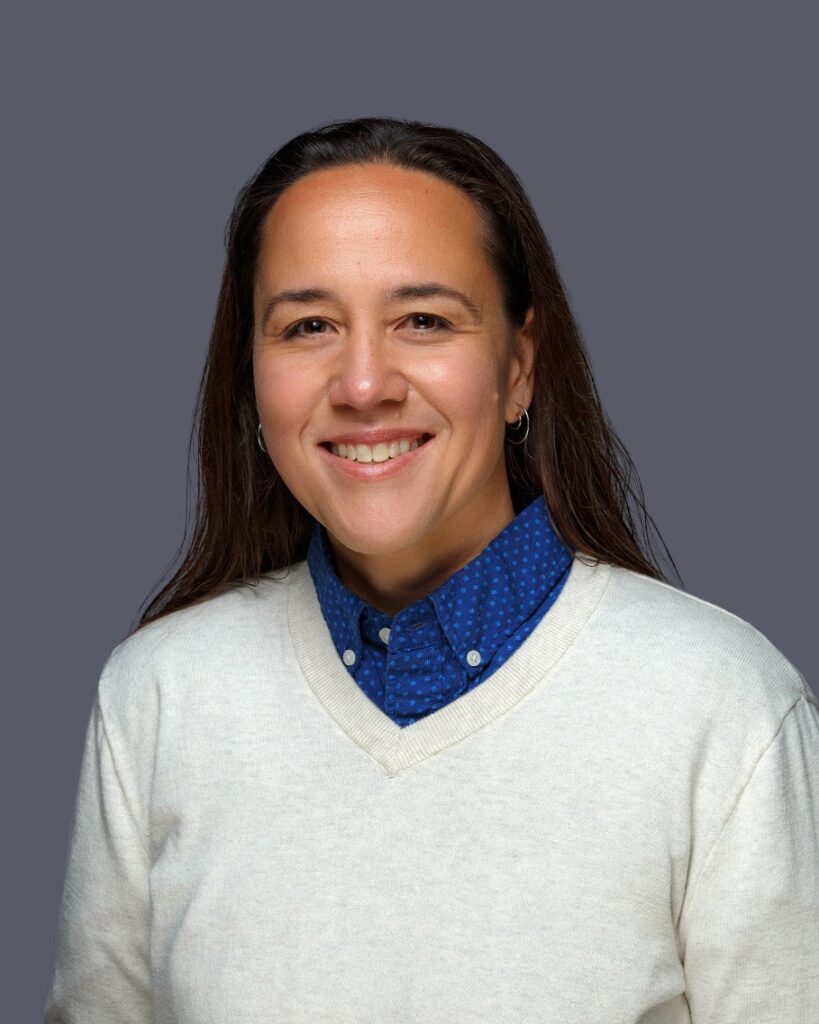
Natalee Kēhaulani Bauer
Professor
Ethnic Studies
University of San Francisco
Los Medanos College
Pedagogies of Futurity: Black and Indigenous Education for Resistance, Persistence, and Survival.
Biography and Project Description
Natalee Kēhaulani Bauer is a Kanaka Maoli (Native Hawaiian) scholar born in Honolulu and raised between/across Hawai’i and the San Francisco Bay Area. She is a professor of Ethnic Studies at the University of San Francisco, Los Medanos College.
Dr. Bauer taught in Bay Area public schools for eight years before completing her doctorate in Social and Cultural Studies at U.C. Berkeley. In addition to her primary scholarly focus on the role of white female teachers in white settler colonialism, she also conducts participatory action research with Bay Area teachers on the implementation of ethnic studies curriculum in K-12 classrooms and its potential to foster transformative learning among students of all backgrounds.
My second book project, Pedagogies of Futurity: Black and Indigenous Education for Resistance, Persistence, and Survival, is an attempt to further my first book’s call for reimagined and remembered futures. Such a move takes the work from an analysis of whiteness in formalized schooling toward
focusing on traditional Indigenous modes of knowledge production and dissemination and the extensive tradition of Black educational thought to imagine schooling in ways we currently deem impossible.
During the now three years long global pandemic, there has been much public and intellectual discourse comparing the advantages of affluent white families with private tutors with the imagined deficit for
students of color who are always already left behind. Such an imagined binary neglects a nuanced understanding of student experiences in formalized schooling to begin with, not to mention preliminary data that demonstrate a significant decrease in anxiety and other mental health challenges for students of color who, during online schooling, were free of the often-violent institution of traditional educational systems. Inspired by this complexity, I am interested in further uncovering and analyzing nuanced histories of Black and Indigenous educational experiences, particularly those led by families and community members. Further, in this project I propose reimagining schooling and its potential for post-pandemic reinvention through a lens of Blackness and Indigeneity as assets rather than deficits. The goal of the project is to construct a genealogy of Black and Indigenous educational futurisms and futurity that will serve as a guide toward building equitable and revolutionary educational experiences for BIPOC communities. In short, compared to my first book, Pedagogies of Futurity looks at the other side of schooling, when it is employed for emancipation rather than control and indoctrination.

Juan Berumen
Director
Adelante Legacy Preservation Project
University of California,Berkeley
Participatory research, critical pedagogy, and student collaboration with historically marginalized communities
Biography and Project Description
Juan G. Berumen Ph.D. is an educator and researcher whose work focuses on community-engaged approaches to schooling. His scholarship centers on participatory research, critical pedagogy, and student collaboration with historically marginalized communities. He examines how educational spaces can cultivate collective agency and advance transformative educational futurities within and beyond the classroom. He currently serves as director of the Adelante Legacy Preservation Project at UC Berkeley documenting social movements that confront educational inequities and reimagine schooling in the San Francisco Bay Area. He is also Board President of Oakland Emiliano Zapata Street Academy a liberatory community-based school with over five decades grounded in radical traditions of community education and resistance.
His scholarship centers on participatory research, critical pedagogy, and student collaboration with historically marginalized communities. He examines how educational spaces can cultivate collective agency and advance transformative educational futurities within and beyond the classroom.
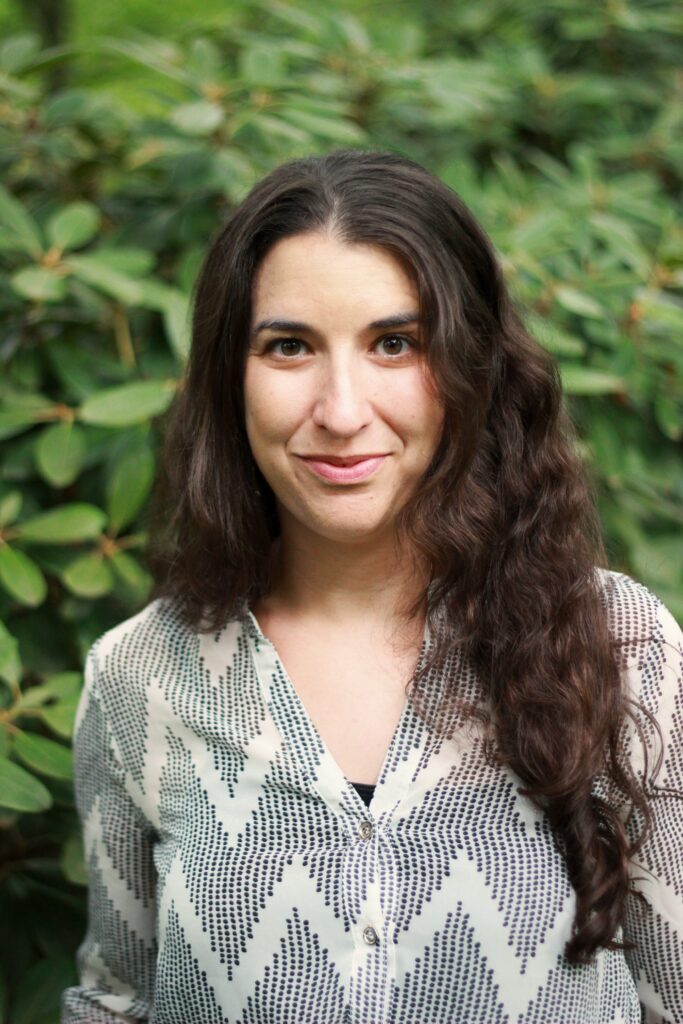
April Fernandes
click here for 2025-2026 scholarship presentation
Associate Professor of Sociology
Department of Sociology and Anthropology
North Carolina State University
Assessing the Experiences and Consequences of Incarceration & Reentry for People with Traumatic Brain Injuries
Biography and Project Description
April D. Fernandes is an Associate Professor of Sociology in the Department of Sociology and Anthropology at North Carolina State University. Her work explores the racialized and ableist consequences of contact with the criminal legal system, ranging from police interactions and arrests to prison and jail stays. She is a co-founder and co-PI of Captive Money Lab, along with Dr. Brittany Friedman and Dr. Gabriela Kirk-Werner, which is currently exploring the implementation and impacts of prison pay-to-stay, or the practice of states charging incarcerated people for the per diem costs of incarceration, with their recently awarded $1.5 million grant from Arnold Ventures. The next iteration of her research agenda delves into the nuances and complexities of the intersection between disability, incarceration, and monetary punishment. Dr. Fernandes received her B.A. in Psychology and Sociology at the University of Southern California and her PhD in Sociology from the University of Washington.
During her time at the Mills Institute as a Research Justice at the Intersections (RJI) scholar, Dr. Fernandes will continue to develop a project on the intricate interplay between disability and contact with carceral institutions, expanding on her previous scholarship while also building upon the robust theoretical and empirical of disability and punishment scholars, activists, and advocates. She will be working on a qualitative project that will gather life history narratives from system-linked people with traumatic brain injuries and members of their support systems to trace the reverberating impacts of incarceration. This project brings together two often silenced populations – people with disabilities and current and formerly incarcerated people – and allows their voices and perspectives, their struggles and acts of resistance in the face of ableist and racist systems of control to be front and center. As an East Bay native, Dr. Fernandes is thrilled to be joining a dynamic and engaged cohort of justice-minded scholars and continuing the storied legacy of Mills College.
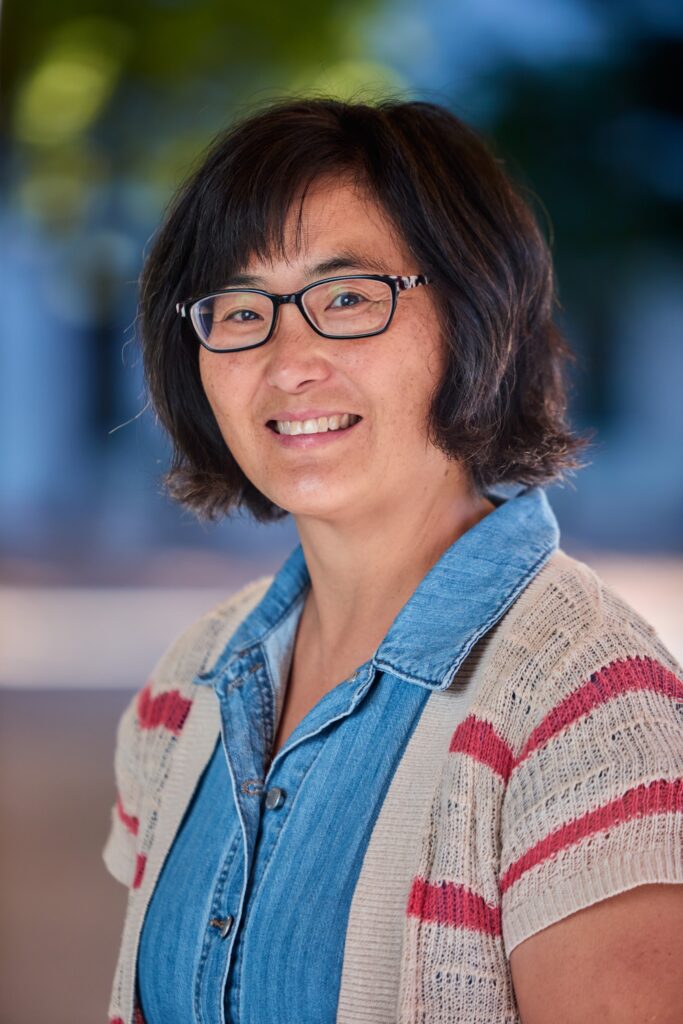
Mi-Kyung (Miki) Hong
click here for 2025-2026 scholarship presentation
Assistant Adjunct Professor
Bouvé College of Health Sciences
Northeastern University
Intersectionality and Health Equity:
Urban Policy and Planning as Tobacco Control
Biography and Project Description
Mi-Kyung (Miki) Hong is a community health equity researcher and Assistant Adjunct Professor at Mills College at Northeastern University, Oakland. Her work sits at the intersection of public health, urban planning, and environmental justice, with a focus on how policy tools — particularly comprehensive land use plans and housing ordinances — can advance health equity in historically marginalized communities.
As a continuing RJI Scholar at the Mills Institute, Miki leads a community-based participatory research project examining housing conditions, displacement vulnerability, and lease enforcement practices in South Hayward, California. The project is conducted in deep partnership with Eden Youth and Family Center (EYFC), where Promotores serve as paid co-investigators — not research subjects or assistants — and the data and findings belong to the community. The work generates tract-level and block-level data for use by residents, housing agencies, and local elected officials in connection with Hayward’s proposed smoke- and vape-free multi-unit housing ordinance.
She holds an MPH in Epidemiology and a Minor Concentration in Health Management and Policy from the University of Michigan School of Public Health, and an Executive Master’s in Health Services Administration, also from Michigan. Her peer-reviewed publications appear in the British Medical Journal, the Milbank Quarterly, and the International Journal of Environmental Research and Public Health, among others. She received the 2017 Dean’s Apple Award for Teaching Excellence from the UCSF School of Pharmacy.
South Hayward Housing Conditions, Displacement Vulnerability, and the Smoke-Free Ordinance: A Community-Based Participatory Research Partnership
This project is a community-based participatory research (CBPR) initiative conducted in partnership with Eden Youth and Family Center (EYFC) in South Hayward, California — a community that is 87–91% BIPOC, renter-dense, and characterized by high displacement vulnerability. The research focuses on three interconnected census tracts (4375, 4377.01, and 4382.01) and is structured around EYFC’s Promotores as paid co-investigators with authority over research decisions, data use, and community dissemination.
Year One centers on baseline data collection: observational site assessments at approximately 100 multi-unit properties documenting tobacco waste, ashtray presence, active smoking, and no-smoking signage compliance. These data inform Hayward’s proposed smoke- and vape-free multi-unit housing ordinance, situating smoke-free housing simultaneously as a health equity intervention and a displacement risk factor. Findings are being translated into bilingual tract profiles, displacement risk maps, a Tenant Monitoring Toolkit, and an Organizing Data Package for use by residents and community organizations.
Year Two shifts from data collection to resident organizing and power-building, with EYFC leading and the research team in a support role. The project also feeds into a manuscript under preparation — Local Tobacco Control Policies in California: The Role of General Plans — which investigates how inclusion of tobacco-free goals in comprehensive land use plans correlates with the passage of local tobacco control laws. A Bay Area Air Quality Management District People’s Air Grant (tentatively beginning January 2027, pending final award) is under consideration and, if funded, would extend this work into air quality and environmental justice across 16 high-burden census tracts in Alameda County.

Nora Suren
Assistant Teaching Professor
Department of Communications Studies
College of Arts, Media and Design
Northeastern University
Networked Misogyny, Emergency Publics, and Digital Activism under Authoritarianism in
Turkey
Biography and Project Description
Nora Suren is a scholar of feminist media studies, platform governance, and digital activism,
whose work centers the experiences of communities navigating digital control under
authoritarianism, with a focus on Turkey’s digital landscape. Her dissertation, “Navigating
Double Oppression Online: How Alternative Content Creators Maintain Their Ideological
Integrity under Algorithmic Bias and Turkish Authoritarianism” (2025), drew on in-depth
interviews with feminist, LGBTQ+, and politically marginalized content creators and sustained digital ethnography across six platforms, treating creators not as passive subjects of research but as experts on their own conditions. Working from her positionality as a Turkish Armenian woman, she developed a feminist ethnographic approach that treats ethical complexity, participant anonymity under state surveillance, and the affective weight of fieldwork as epistemological resources rather than obstacles. Her latest article “‘Freaks’ and Raids: A Study of Networked Harassment and Misogyny in Turkey’s Authoritarian Landscape,” which examines networked misogyny as a state-enabled system of gendered punishment, was published in the International Journal of Communication (2026). Dr. Suren is an Assistant Teaching Professor in the Department of Communication Studies at Northeastern University.
During her time as a Research Justice at the Intersections (RJI) scholar, Dr. Suren will advance a project that centers the knowledge and experiences of people typically rendered invisible by the very platforms they inhabit. Her work theorizes what she calls “emergency publics”—the ad hoc digital communities that formed when Turkey’s February 2023 earthquake and May 2023 presidential elections converged within three months, analyzing how creators mobilized their platforms for disaster relief, political education, and emotional support, and how such crisis moments both catalyze and constrain political expression. Treating creators’ tactical knowledge, their algospeak, strategic ambiguity, and protective visibility, as forms of theory-making that emerge from lived experience under precarity, the project refuses to separate knowledge from the political conditions of its production. She is grateful to join an interdisciplinary cohort of justice-minded scholars committed to accountable, justice-oriented inquiry.
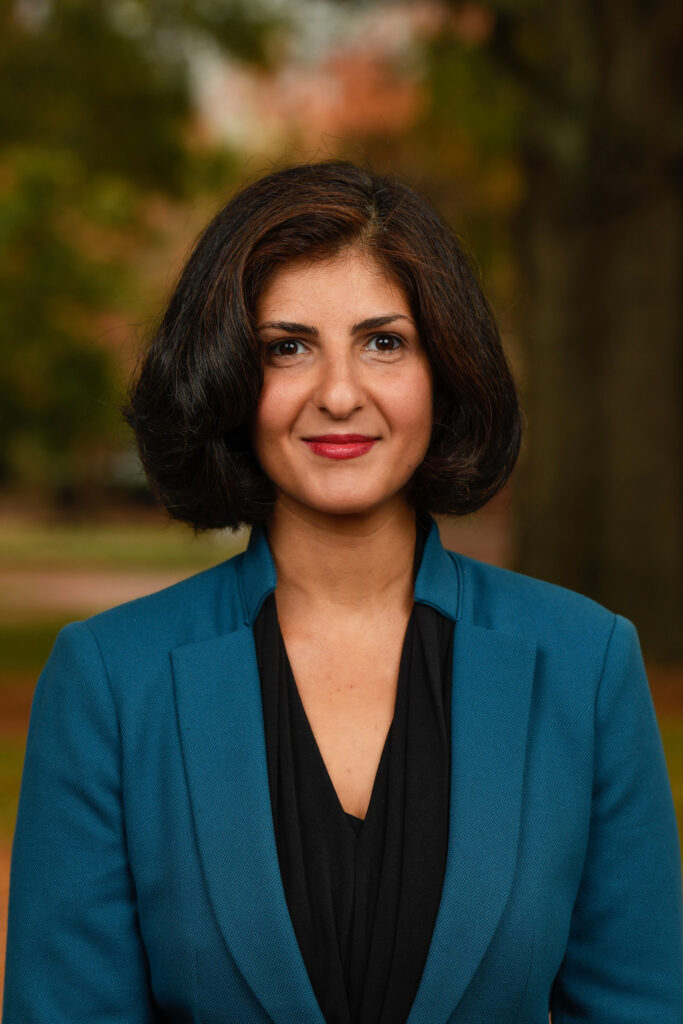
Mona Tajali
click here for 2025-2026 scholarship presentation
Lecturer
Feminist, Gender, and Sexuality Studies (FGSS)
Stanford University
Feminist Foreign Policy in Unequal Power Structures: Voices from Muslim Women Leaders
Biography and Project Description
Mona Tajali is a scholar of gender and politics, specializing in women’s political participation and representation in Muslim countries, with a comparative focus on Iran, Afghanistan, and Turkey. Her research includes analysis of feminist mobilization against patriarchal structures as well as the experiences of institutionalization of women’s rights in semi-democratic and non-democratic contexts. Her publications, with two books published as open access, are centered primarily around how to empower women—especially those from historically marginalized communities—to attain political power, how to reduce barriers that exclude women and minorities from politics (such as recent waves of violence against women in politics [VAWP] and democratic backsliding), and how to further empower women as political actors, especially in contexts of conflict and transition.
Her research at RJI adopts a research justice framework to examine the institutionalization of women’s rights across the Muslim world, with a particular focus on the strategic use of feminist foreign policy. This critical inquiry highlights both the opportunities that such policy frameworks have created for women political leaders in various Muslim-majority contexts and the limitations they face in meaningfully challenging entrenched global power hierarchies. This research seeks to contribute to the development of more egalitarian, context-sensitive, and decolonial policy making frameworks, inspired largely by feminist grassroots advocates from the region. The initial part of this research is focused on women leaders’ voices from Iran and Afghanistan, as well as feminist advocates who operate transnationally.
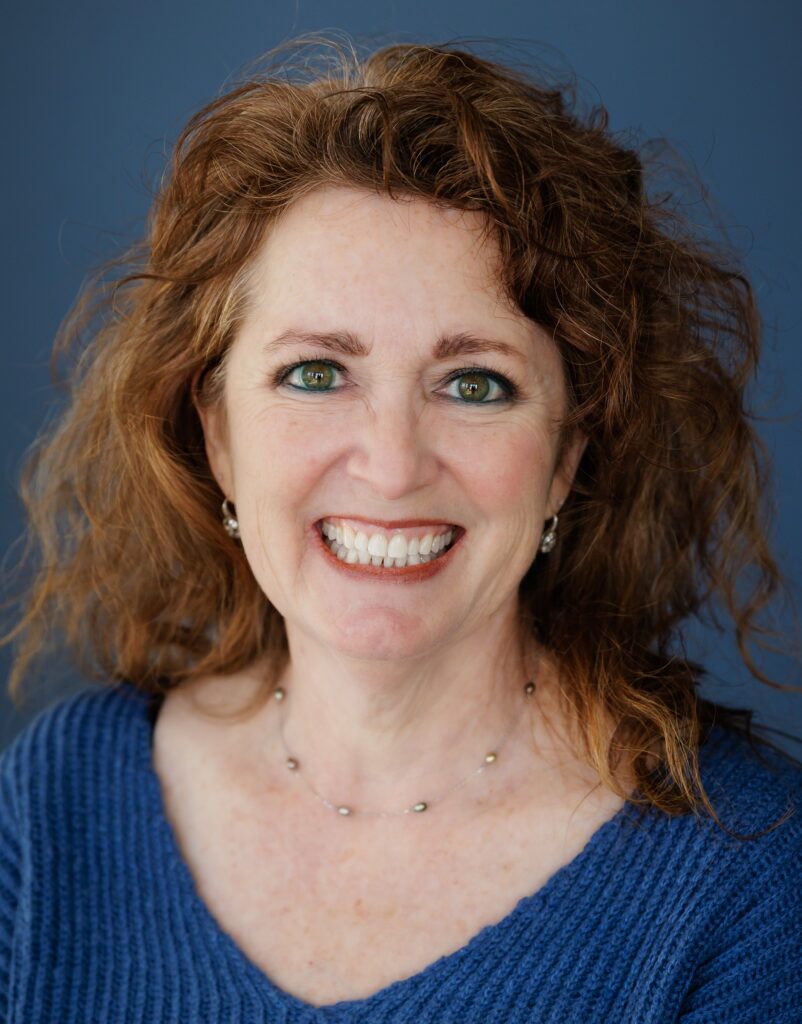
Jacquelyn M. Urbani
click here for 2025-3036 scholarship presentation
Associate Professor
Early Childhood Special Education
Abbie Valley Professorship in Education
Mills College at Northeastern University
Addressing Diversity and Equity Through Children’s Literature: Teacher’s Experiences Towards More Inclusive Education
Biography and Project Description
Dr. Jaci Urbani believes education should develop critical thinking skills for active participation in a democratic society. She began her career at the Pennsylvania School for the Deaf, where she taught for 12 years, using American Sign Language for instruction. She has been a professor for 13 years and currently is teaching in the educational leadership doctoral program. In addition, she has taught across early childhood, elementary, and special education credential and master’s degree programs. Her dedication for social equity in and through education is evident in multiple research projects, including on the following topics: identifying and addressing implicit bias in teacher education, introducing multiple forms of diversity into the classroom through children’s literature, attending to educational inequities exasperated during the COVID-19 pandemic, and implementing dialogic reading to facilitate language development. Jaci earned her doctorate in Special Education from the joint program between University of California, Berkeley and San Francisco State University and her master’s degree from Gallaudet University in Washington DC. She current serves as Associate Professor and Director of Early Childhood Special Education at Mills College at Northeastern University, in Oakland, CA.
This research investigates how elementary educators can teach multifaceted, honest history through quality children’s literature. Traditional textbooks continue to present Eurocentric perspectives that omit the complexity and richness of non-dominant group experiences, and the current political environment is actively hostile to diversity, equity, and inclusion efforts. Together, these circumstances maintain Social Dominance Theory, which recognizes how individual and systemic elements contribute to and maintain inequitable group hierarchies.
Therefore, this project supports teachers in supplementing the curriculum with Read-Alouds that reflect the cultures and contributions of intentionally marginalized communities. By providing an honest, inclusive examination of historical and contemporary issues, this instructional approach honors the lived experiences of individuals—including those of students themselves—to facilitate student identity development, critical thinking, and civic engagement.
The research is guided by the following questions: How can structured coaching and collaborative meetings, with researchers and other teachers, support educators to: 1) uncover unconscious biases that may inadvertently influence their instruction, 2) utilize children’s literature to teach historically marginalized perspectives, and 3) foster student identity development and civic engagement through culturally responsive Read-Aloud practices? The research employs a multiple case study method to examine individual teachers’ experiences within their unique classroom contexts. This approach allows for in-depth exploration of the complexities teachers face while enabling cross-case analysis to identify patterns and themes across different educational settings. The overarching aim is to identify both the barriers and affordances teachers encounter as they strive to create more inclusive and critically engaged classrooms.

Dianne Wellington
Associate Professor of Literacy Education
State University of New York at Cortland
(SUNY Cortland)
Building Literacy Futures: Community Storytelling and Research Justice in Post-Disaster Jamaica
Biography and Project Description
Dr. Wellington’s research has been presented at leading national and international conferences, including the Literacy Research Association (LRA), the American Educational Research Association (AERA), the National Council of Teachers of English (NCTE), and the Caribbean Studies Association (CSA). Her scholarship explores the intersections of literacy, identity, culture, equity, and educational justice, with a particular focus on Black, Caribbean, and diasporic communities. Her research also examines teacher education, community-engaged literacy practices, and the role of storytelling, critical dreaming, and healing-centered pedagogies in educational transformation.
Her work has appeared in Intersection: Critical Issues in Education (2026), Teachers and Teaching: Theory and Practice (2025), Voices From the Middle (2024), and Multicultural Perspectives (2024). She is also the author of several recent book chapters, including “Toward a Dual-Level Intersectionality Theory for Critical Multilingual Teacher Education” in The Routledge Handbook of Language Teacher Identity (2026) and “Expanding Ways of Learning Together for All” in Innovative Strategies to Support All Qualitative Methods Students’ Empowerment and Success (2026). Her forthcoming scholarship further contributes to global conversations on decolonizing language and literacy education through research grounded in Global South perspectives and practices
Project Title: Building Literacy Futures: Community Storytelling and Research Justice in Post-Disaster Jamaica
This project examines how community knowledge, storytelling, and participatory inquiry can support literacy recovery and educational transformation in Race Course, Jamaica, following Hurricane Melissa. Grounded in research justice, the project begins from the premise that those most affected by educational disruption should play a central role in documenting challenges, identifying priorities, and imagining futures for their communities.
Working in partnership with the Clare McWhinnie Memorial Library, local educators, community leaders, and families, the project will engage youth and community members in a series of community literacy dialogues focused on literacy experiences, educational recovery, cultural knowledge, and future aspirations. These dialogues will create opportunities for participants to share stories about literacy, schooling, community life, and recovery while collectively identifying strengths, needs, and possibilities for the future.
Stories, reflections, and community insights generated through these dialogues will form the foundation of a community storytelling archive documenting local literacy practices, educational experiences, and community knowledge. Rather than treating these narratives as data to be extracted, the archive will serve as a community resource that preserves local histories, cultural knowledge, and community visions for the future.
Drawing from the archive and dialogue sessions, the final phase of the project will develop a research justice framework for community literacy recovery. This framework will identify principles, practices, and forms of relational accountability that support community-centered educational recovery in post-disaster contexts. By centering Jamaican voices, knowledge systems, and lived experiences, the project contributes to broader conversations about literacy, educational recovery, and research justice while remaining accountable to the communities that shape the work.
Narrative and Representation
2026-2027 Scholars
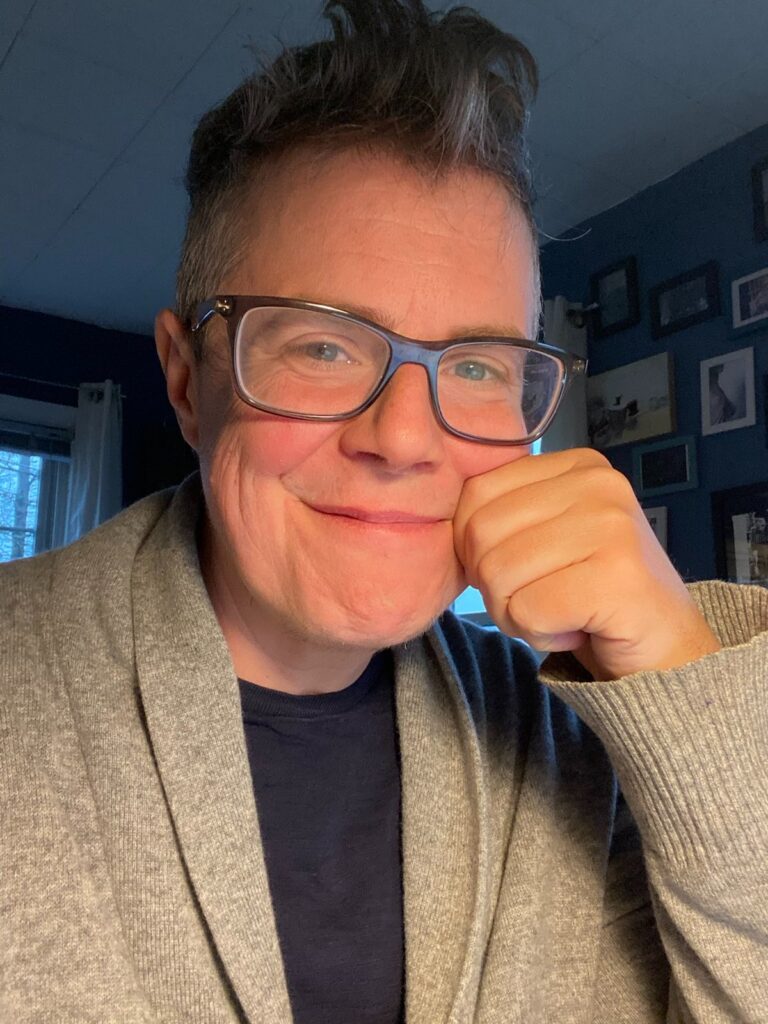
Jack Geiseking
Visiting Scholar
The City University Of New York
Leadership Think Tank MIT- Queer Histories
It’s Closed Now: Why Dyke Bars will Save Us All
Biography and Project Description
Jack Jen Gieseking is a historian, geographer, and environmental psychologist. Jack originated and and leads the Our Dyke Histories podcast in collaboration with the lesbian literary and art journal Sinister Wisdom, including guests Lillian Faderman, Nikki Lane, Joan Nestle, and Sarah Schulman. They write the Queer Geographies newsletter, where they share more current ideas and updates from their and other research into LGBTQ+ spaces and places. Jack’s first book A Queer New York: Geographies of Lesbians, Dykes, and Queers, 1983-2008 was awarded the American Association of Geographers’ Glenda Laws Award for Social Justice. They’re presently writing their next monograph, It’s Closed Now: How Dyke Bars* Will Save Us All.
In 2019, the mainstream press took notice reported only 16 remaining lesbian bars in the U.S., with about twice as many lesbian bars remaining beyond that. Since then a lesbian and queer bar revival has taken place. While these spaces also suffer from racism, sexism, homophobia, and transphobia, they remain the scrappy, physical bulwarks against the ever-increasing surveillance, policing, and right-wing, authoritarian, and fascist tactics and behaviors that seek to thwart queer-trans community building and survival. In 2026, we are ready to hear the long history of the dyke bars*, thus revealing the patterns of resistance that continue to feed lezbiqueertrans identities, politics, and possibilities. It’s Closed Now: Why Dyke Bars* Will Save Us All is the vivid, sexy, and radical tale of lesbian bars, queer parties, and trans hangouts from New York to Detroit, Winnipeg to Berlin, San Francisco to Bogota, and Shanghai to Paris. Spanning just over a century, each chapter traces a decade of the evolution of these spaces and the people who loved them. Their stories speak to the labor, refusal, and determination still needed to sustain and (re)build the heart of lezbiqueertrans public life we know today.
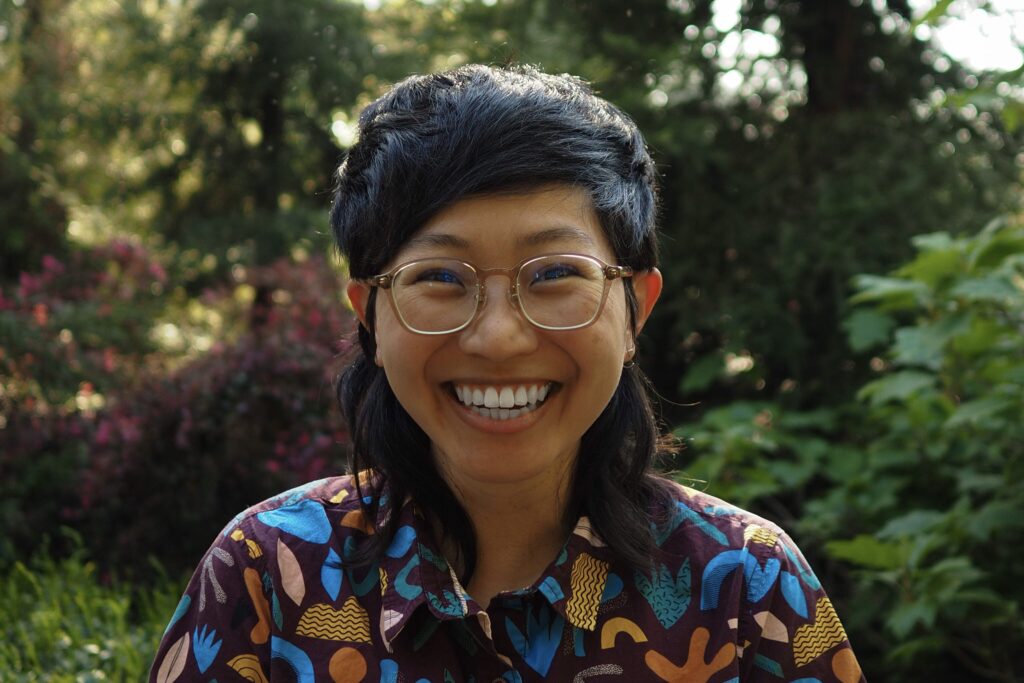
Vivian Huang
Associate Professor in Communications Studies
San Francisco State University
Histories of Chinese migrant workers in California comprising the so-called “bachelor societies” after the completion of the Transcontinental Railroad and the passage of the 1882 Exclusion Act
Biography and Project Description
Dr. Vivian L. Huang is a writer, teacher, and performer based in Oakland, California. Her research lies in the intersections of Asian American studies, queer theory, and performance studies. Vivian’s first book, Surface Relations: Queer Forms of Asian American Inscrutability (Duke University Press, 2022), assembles a range of contemporary artists and writers – including performance artists Emma Sulkowicz and Tehching Hsieh, visual artists Tseng Kwong Chi and Mika Tajima, and novelists Kai Cheng Thom and Monique Truong – to closely engage their creative choices to withhold, deny, and delay understanding of their work. Vivian theorizes racial aesthetics of inscrutability that subvert the stereotype of the Chinese or Asian figure as the mythical Inscrutable Other with a suspiciously foreign interiority. Instead, the book argues that contemporary Asian American and diasporic artists and writers strategically employ strategies of silence, invisibility, flatness, impenetrability, and distance to challenge expectations of Asian Americans to perform multicultural representability. Vivian currently serves as Associate Professor in the Department of Communication Studies at San Francisco State University, where they teach undergraduate and graduate courses on gender, sexuality, race, and performance.
During her participation in the Research Justice at the Intersections Fellowship Program, Vivian will work on a new research project on histories of Chinese migrant workers in California comprising the so-called “bachelor societies” after the completion of the Transcontinental Railroad and the passage of the 1882 Exclusion Act. Vivian will produce a queer and trans reading of the male-majority Chinese migrant population at the time, when Chinese and other legally described “oriental” women had been banned from the United States with the passage of the Page Law of 1875. While normative historiography casts these early migrant workers as emasculated and structurally deprived from heterosexual coupling through immigration exclusion and anti-miscegenation policies, this research project asks: what forms of homosocial intimacy were nevertheless necessary and possible? What brought these historical male subjects delight, pleasure, laughter, conviviality, beauty and rest? What did the ordinary domestic lives of these makeshift households look, sound, and feel like? Tentatively titled “Untitled Chinamxn Show,” the research will result in a speculative performance text to be workshopped and performed. Building upon their work as a performance scholar and as an actor, Vivian will develop this interdisciplinary project not only to historicize, speculate, and embody queer social lives largely absent in the archive, but also to insist on informed, exploratory, vitalizing forms of queer intimacy in the present.

Carmen Hull
Assistant Adjunct Professor
Bouvé College of Health Sciences
Northeastern University
Intersectionality and Health Equity:
Urban Policy and Planning as Tobacco Control
Biography and Project Description
Mi-Kyung (Miki) Hong is a researcher at Northeastern University focusing on the intersection of urban planning and public health, with a particular emphasis on tobacco control policies. Her work examines how comprehensive land use plans can be leveraged to address health disparities in diverse communities.
Miki’s connection to Mills College spans multiple phases of her academic journey. After completing her undergraduate studies at Columbia University, she earned a post-baccalaureate pre-medical studies certificate at Mills College from 1993 to 1995, establishing her early foundation in health sciences. Her relationship with Mills came full circle when she returned as Assistant Adjunct Professor in Spring 2018, teaching in the Public Health and Health Equity Program. Following Mills College’s merger with Northeastern University, Miki has continued her academic contributions at Mills College at Northeastern University, teaching courses on the American Healthcare System and Principles of Epidemiology. Miki has also been conducting research through the Russell Women in Science Leadership Scholar Program at the Mills Institute, which has enabled her to engage students in hands-on research.
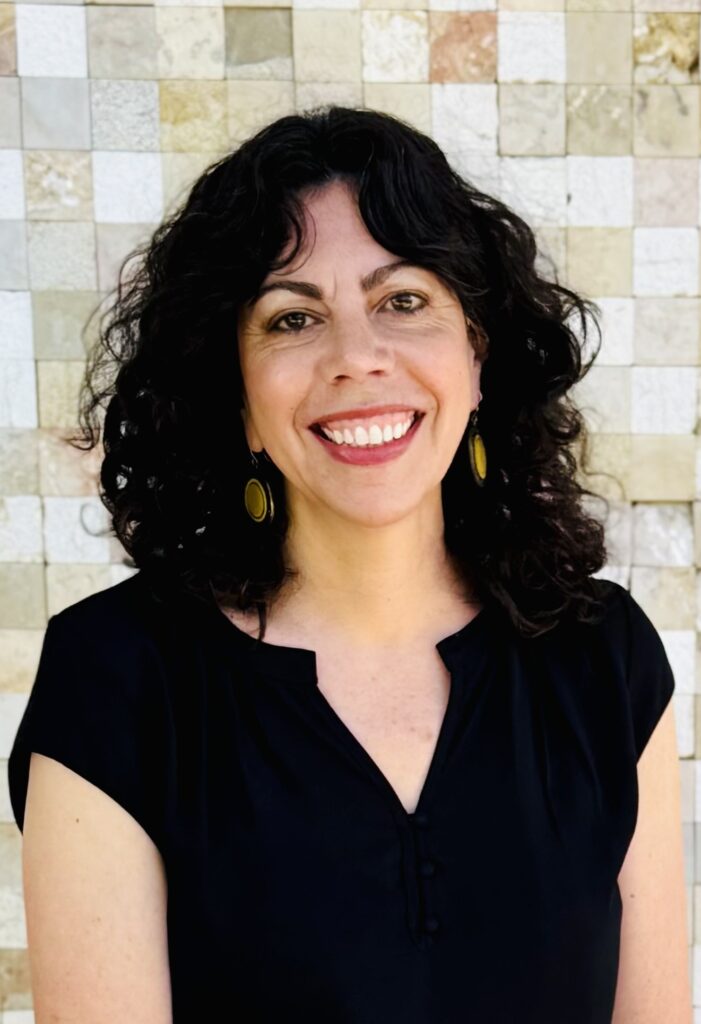
Emily B. Klein
Professor of English
Advisory board faculty member in Ethnic Studies
Advisory board faculty member in Women’s & Gender Studies
Saint Mary’s College of California
Every Day is Like Survival: Feminist Performance, Emergency Culture, and the Absurd traces the innovative resurgence of absurdism in contemporary theatre, film, digital media, and performance.
Biography and Project Description
Emily B. Klein, PhD is a theatre and performance studies scholar and feminist cultural historian. As Professor of English and affiliated faculty member in Ethnic Studies and Women’s & Gender Studies at Saint Mary’s College of California she teaches courses in political theatre and film, performance theory, and gender studies. She is co-editor of Performing Dream Homes: Theater and the Spatial Politics of the Domestic Sphere (Palgrave Macmillan, 2019) and author of Sex and War on the American Stage: Lysistratain Performance 1930–2012 (Routledge, 2014), which was featured in The New York Times, Ms., and Vice. Her article, “A New Feminist Absurd?: Women’s Protest, Fury, and Futility in Contemporary American Drama” was the winner of Modern Drama’s 2022 Outstanding Article Award. Klein earned her PhD in Literary and Cultural Studies from Carnegie Mellon University and her BA in English from the University of California, Los Angeles.
Klein’s current project, Every Day is Like Survival: Feminist Performance, Emergency Culture, and the Absurd traces the innovative resurgence of absurdism in contemporary theatre, film, digital media, and performance. The study explores how feminist cultural producers have re-imagined an exclusionary midcentury form to respond to the rise of “emergency culture” in the US and its effects on women’s rights, labor, and domestic lives. While the absurdism of the 1950s has been associated with European male playwrights whose devastating comedies asked existential questions about the human condition, the female, queer, and BIPOC artists in this study reinvent absurdism using radical joy and ludic intersectional feminist frameworks to critique the ironies of their own historical situations. During her work with the RJI, Klein will investigate how hybrid research and storytelling methodologies can bring first-person experiential narratives into engagement with the more traditional theoretical and dramaturgical analyses in this study.
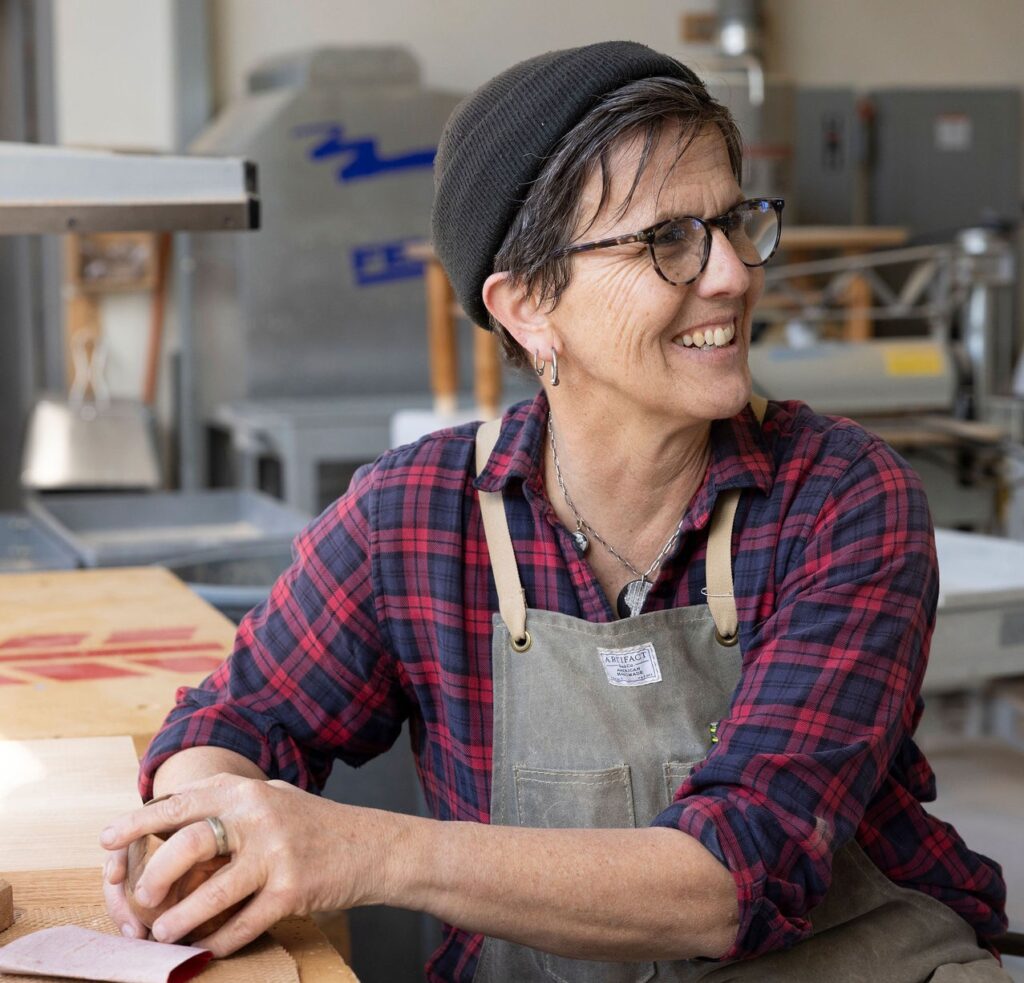
Deirdre Visser
Curator and Independent Scholar
Queer Woodcraft:Bridging secondary research of labor and cultural history and first-person interviews with contemporary queer makers.
Biography and Project Description
Deirdre Visser is working in parallel on first person interviews with contemporary queer-identified makers, and archival research both in the Bay Area and internationally. In addition to curating the first ever exhibition of queer woodcraft that’s scheduled to open at the Museum for Art in Wood in May of 2027.
“Queer” today is used as both a descriptor of sexual and gender identity, and a verb conjuring subversion; both represent a challenge, whether to normative structures or conventional intimacies. Through both a historic and contemporary lens, the proposed project will explore the intersections of queerness and woodcraft, a practice and materiality integral to humanity’s experience for centuries and across continents.
My research was catalyzed by participation in a national discussion forum that began during the COVID pandemic; the Museum for Art in Wood in Philadelphia has since hosted 14 gatherings on Zoom, facilitated each time by a queer-identified maker or curator and focused on distinct aspects of the subject. Taken together, the recordings of these discussions form a critical matrix of questions and ideas on which I’m building. Combining primary and secondary research strategies—archival research and first-person interviews conducted with contemporary woodworkers who self-identify as queer—I’ve begun with questions about the following arenas: structural bias in labor; union organizing and LGBQTIA history; the formation of alternative economies; craft and gender, both those makers who fit within convention, and those who have expanded boundaries; and contemporary concepts of “queering” as a verb, and how it can challenge assumptions and expand possibilities.
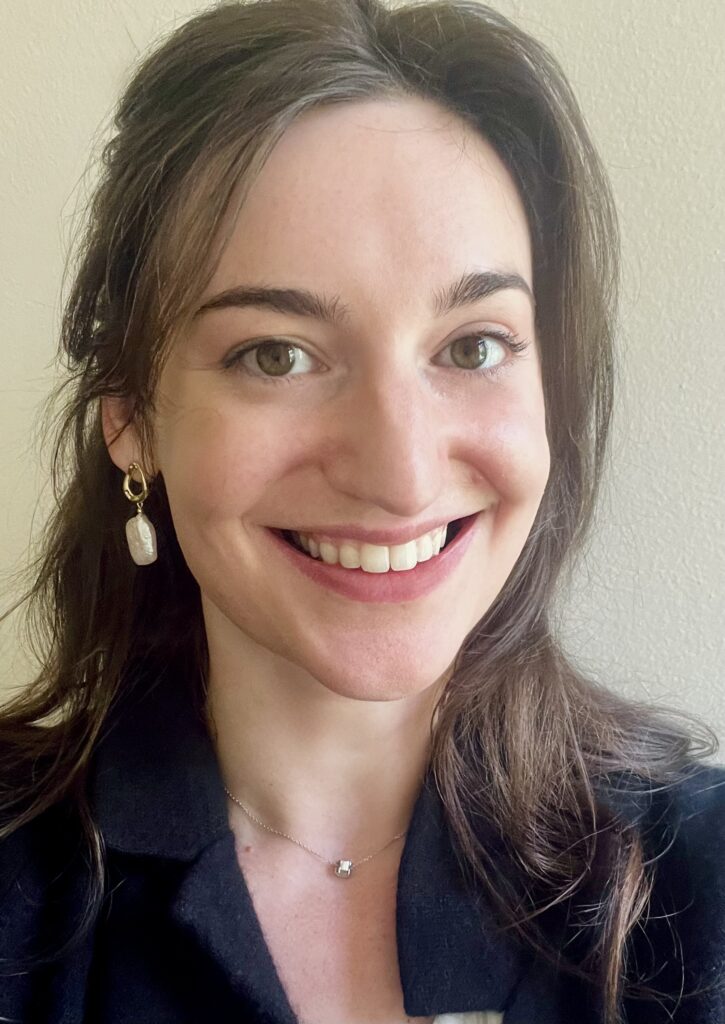
Vivian Wolf
Assistant Professor, English
Dominican University of California
Literary disability research to reveal the value and persistence of disabled, Mad, racialized, gendered, and ill ways of knowing
Biography and Project Description
Vivian Delchamps Wolf (PhD, English, UCLA 2022) is an Assistant Professor of English at Dominican University of California, where she researches and teaches U.S. literature, disability and crip theory, feminist studies, critical race studies, and the health humanities. Her monograph in-progress, Resisting Diagnosis: Women’s Disability Literature of the Nineteenth-Century U.S., analyzes literary works to expose moments when diagnosis, intended to be lifesaving and validating, is instead weaponized against women’s bodyminds or withheld from those most in need of care. The book argues that women’s literary works often repurpose medical methods and rhetorically “diagnose” debilitating systems including slavery, racial prejudice, and patriarchal medicine itself, demonstrating literature’s potential for advancing social justice. Her peer-reviewed articles have been published or are forthcoming in the J19: The Journal of 19th-Century Americanists, Disability Studies Quarterly, the Emily Dickinson Journal, Writing Across the Curriculum, and Literature and Medicine. Wolf has served professional organizations including the Modern Language Association, C19: The Society of Nineteenth-Century Americanists, and the Health Humanities Consortium through conference organizing, committee work, and disability advocacy.
During her participation in the Research Justice at the Intersections Fellowship Program, Wolf will conduct literary disability research to reveal the value and persistence of disabled, Mad, racialized, gendered, and ill ways of knowing. Her project reads literature with a disability studies lens without requiring definitive diagnostic certainty regarding authors’ bodily and mental conditions—a strategy bringing undiagnosed women writers more directly into the canon of disability studies, redefining what counts as disability literature and transforming how we read for embodied knowledge in the archive. Her larger goal in research justice is thus to bring undiagnosed people, especially women of color with tenuous or traumatic experiences with formal medical care, more directly into disability community. At RJI, her scholarly and public-facing work will challenge traditional research hierarchies by refusing to approach medical records or institutional recognition as the only valid evidence of embodied experience. This work will furthermore reveal the potential of the humanities to generate new understandings of care amid medical gatekeeping, inaccessibility, and racial health inequities.

Stathis Yeros
click here for 2025-2026 scholarship presentation
Assistant Professor of Architecture
University of New Mexico
Building Community: Queer Placemaking and Democracy in the American South
Biography and Project Description
Stathis G. Yeros is a historian of the built environment, designer and Assistant Professor of Architecture at the University of New Mexico. His research explores how struggles for social justice shape, and are shaped by, the spaces we inhabit. His first book, Queering Urbanism: Insurgent Spaces in the Fight for Justice (University of California Press, 2024), brings together insights from anthropology and queer theory in dialogue with architecture and spatial justice to examine how LGBTQ+ communities transform the built environment—and, in doing so, lay claim to forms of insurgent citizenship.
Yeros’s current projects investigate the politics of community and citizenship as they emerge in both design practices and everyday life, with a particular focus on queer landscapes in the U.S. Deep South. This work is supported by a Mellon Fellowship in the Democracy and Landscape Initiative at Dumbarton Oaks—Trustees for Harvard University (2024–25). His research has appeared in leading journals and edited volumes and has been supported by the Graham Foundation and the Society of Architectural Historians’ H. Allen Brooks Travelling Fellowship. Yeros holds a Ph.D. in Architecture and an M.Arch from the University of California, Berkeley, and has previously taught at Berkeley and the University of Florida.