2026 Russell Scholar Program Oakland Showcase
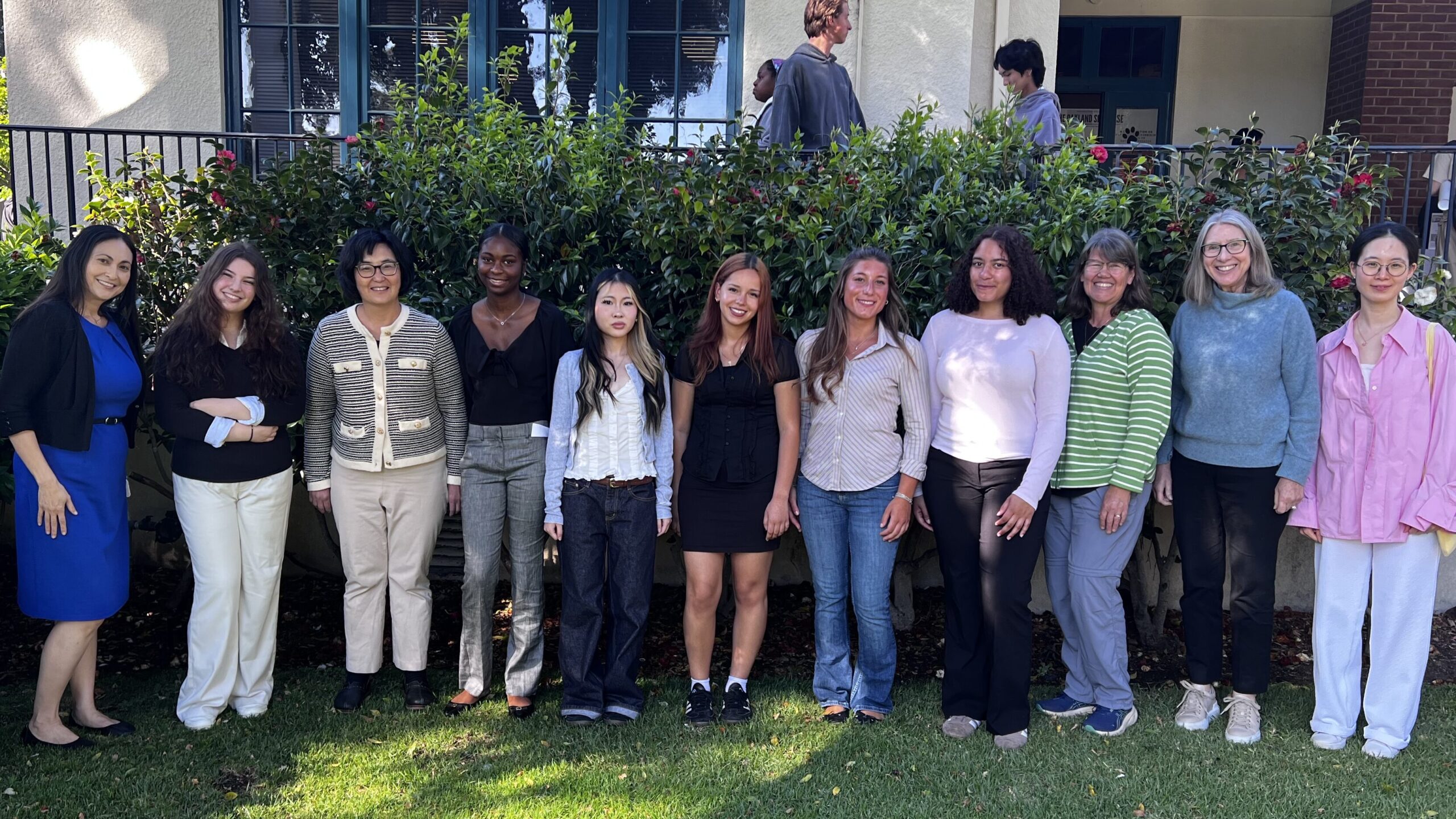
2025-2026 Russell Scholars Cohort

Skin Tone Emojis and Profile Pictures in Digital Communication
Presented By:
Zara Budhrani & Aishwarya Hariharan with faculty mentor Xiangyun Tang
This experimental study examines how skin tone emojis (Yellow vs. Lighter vs. Darker) and profile pictures (White vs. Black vs. Neutral/Landscape) together shape social perceptions—specifically warmth, competence, and perceived relationship quality—in LinkedIn-style communication exchanges. A central focus is on congruence versus incongruence: whether mismatched emoji–profile combinations (e.g., a darker emoji with a White profile picture) predict different social inferences compared to congruent pairings.
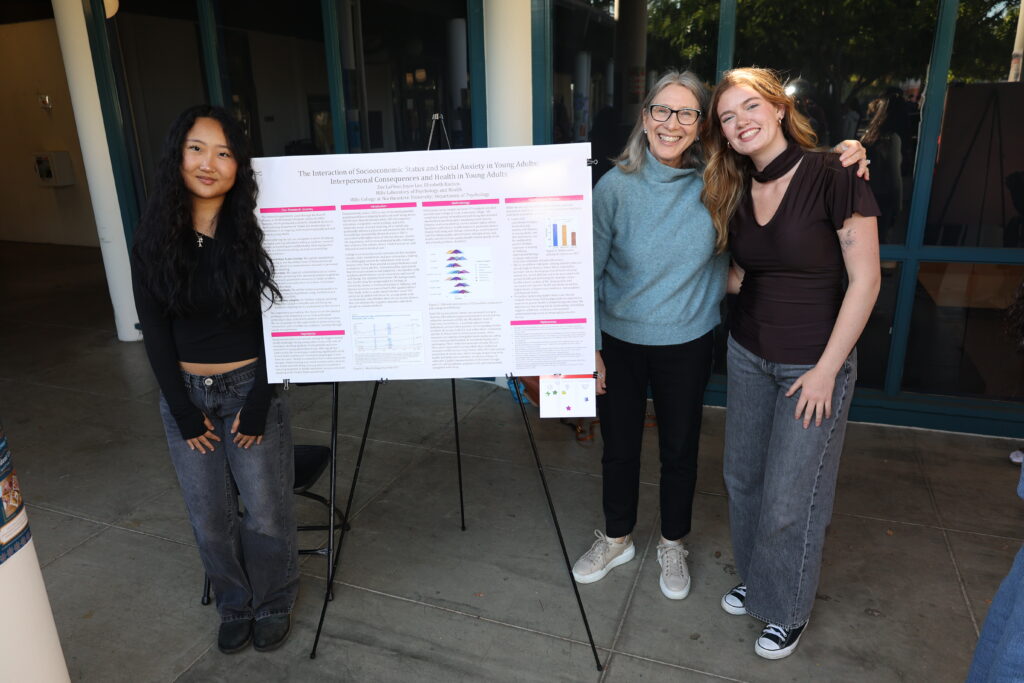
Social Determinants of Health in Young Adults
Presented By:
Joyce Lee & Zoe LaFleur
with faculty mentor Elizabeth Bachen
Young adult health is critical and sets the trajectory for health outcomes later in life. Several studies have found early exposure to socioeconomic influences may affect quality of mental health throughout the lifespan and risk for health conditions such as asthma and cardiovascular disease. Such outcomes may be attributable to SES-related exposures to various forms of chronic stress and barriers to healthy lifestyle. This study will examine associations between a variety of childhood and adolescent community and socioeconomic factors (neighborhood characteristics; parental education; subjective assessment of parental social standing) and measures of health and well-being in young adults. Outcome measures include mental health and well-being (level of depression, anxiety, loneliness, self-esteem), stress (perceived stress and stressful life events), and health outcomes ranging from sleep quality, health-related quality of life, and reported health problems.
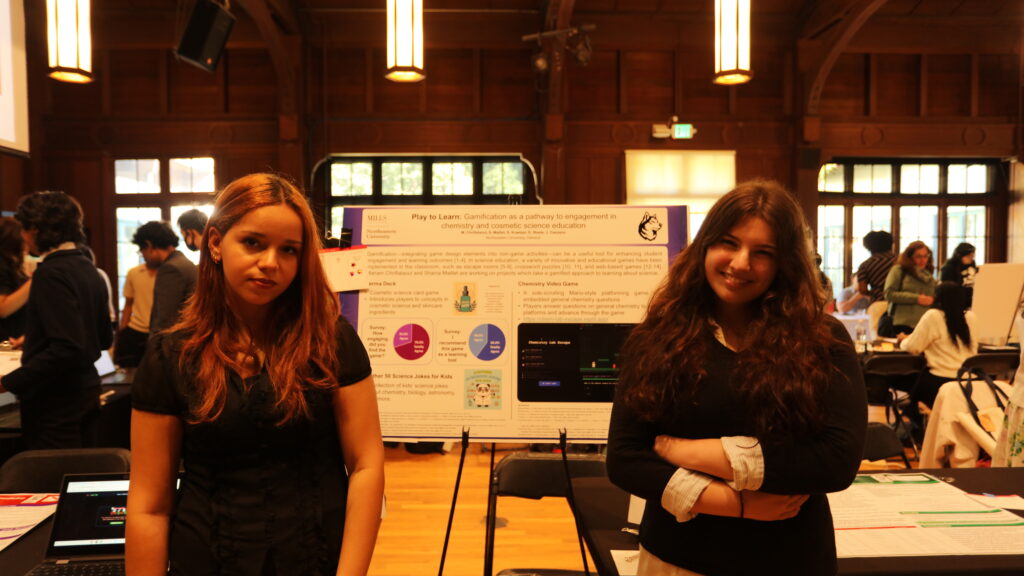
Play to Learn: A Chemistry Video Game and Cosmetic Science Card Game for Science Education
Presented By:
Mariam Chrifialaoui & Shania Maillet
with faculty mentor Jennifer Cassano
Our team is exploring gamification in science education through two innovative learning tools: a cosmetic science card game and a general chemistry video game. Derma Deck is an educational card game that introduces players to concepts in cosmetic science and skincare ingredients while examining how gameplay fosters engagement and understanding. The chemistry video game merges Mario-style platforming challenges with embedded chemistry questions to enhance conceptual learning. Both projects will feature playable prototypes, share pilot testing methods, and present preliminary findings on how interactive, game-based design can increase interest, engagement, and comprehension in scientific learning contexts.
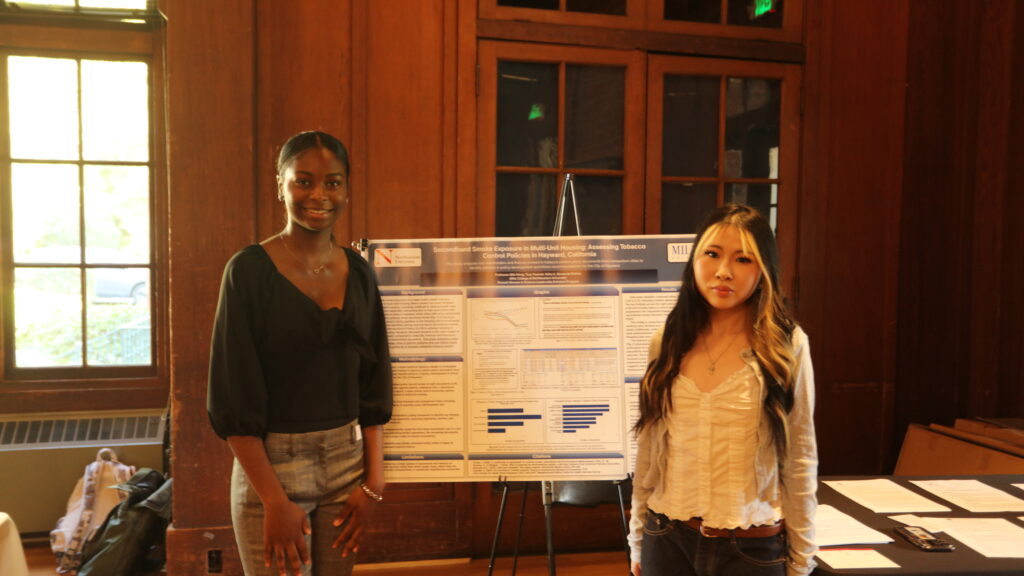
Secondhand Smoke Exposure in Multi-Unit Housing: Assessing Tobacco Control Policies in Hayward, California
Presented By:
Savannah Dutton & Kelly Li
with faculty mentor Mi-Kyung “Miki” Hong
Our project examines how the City of Hayward addresses tobacco and secondhand smoke exposure in multi-unit housing. Secondhand smoke can travel between units, creating health risks for residents. Hayward is still in the early stages of adapting policies to address smoke exposure in multi-unit housing compared with other California cities. This delay in Hayward’s policy adaptation process prompted our research to examine the city’s tobacco control efforts and compare them with approaches used in other cities, including Fremont and Pasadena. We conducted a policy record review to identify potential policy improvements and opportunities to strengthen Hayward’s protections for residents.

An Investigation of Major Cations in an Oakland Watershed System
Presented By:
Chrissy Chimos & Mikayla Jones
with faculty mentor Kristina Faul
Climate change, historic mines, and urban development are pressures on watersheds, creeks, and reservoirs that drain to San Francisco Bay. Here, we focus on understanding how Lake Aliso impacts major cations in the Leona Creek watershed. Sources of cations include geological weathering, urban runoff, and soil erosion. To determine major cation concentrations in Lake Aliso’s inlet and outlet, we assessed water samples collected over a 10-year period using microwave plasma atomic emission spectrophotometry (MP-AES). Inlet and outlet major cation concentrations likely co-vary and are likely controlled by seasonal drought/rainfall cycles rather than by chemical processes within the reservoir.